
A counsellor’s Perspective: Making sense of Suicide Bereavement
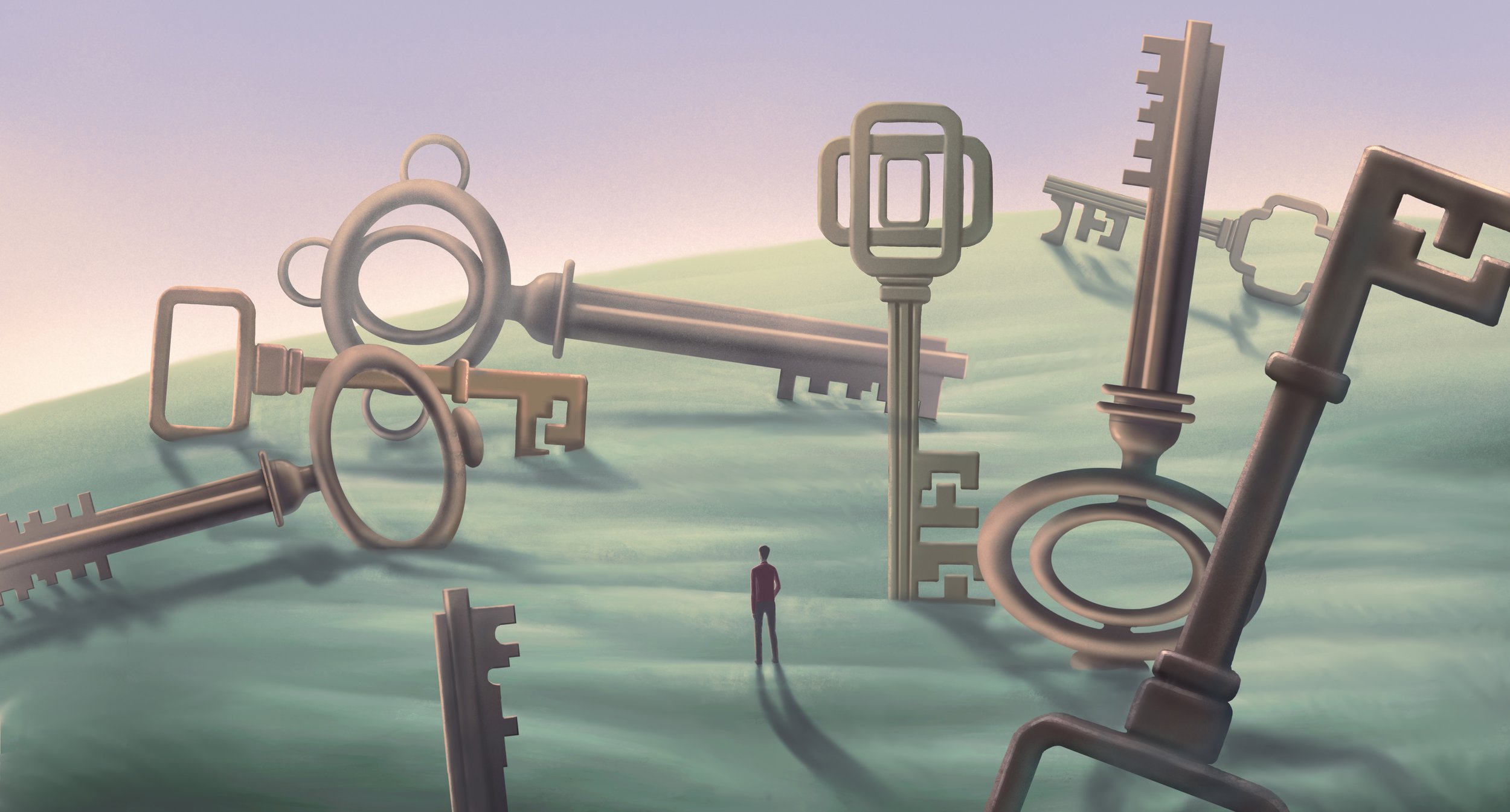
Losing someone to suicide can leave people with grief, shock, guilt, confusion, anger and many unanswered questions.
For people navigating this type of loss or anyone touched by a suicide in our community, no two experiences are the same. While many experiences of suicide bereavement share common themes, every relationship and every loss or experience of trauma is different.
The impact of suicide bereavement
The emotional impact can include sadness, guilt, self-doubt, and, for professionals, moral injury, and questions about whether more could have been done.
Guilt is a frequent visitor in suicide bereavement, as we may wonder if we said something that upset the person, or if we should have noticed that they were not quite right.
Even if we held on to hope for the person and wanted them to live, there might be a sense of resignation or even consolation for those bereaved, as the person who suicided struggled to live, sometimes for years. But guilt and what-ifs can still visit, and we may suffer the ongoing hardship of regret, wishing things had gone differently or blaming ourselves for not doing enough to prevent our client, patient or loved one from suiciding.
A space to talk about deep loss
Therapy can provide a confidential space to explore these experiences without judgment, and I am aware, as I am writing these words, that some of you might read this post and be bereaved by suicide and also have thoughts of suicide. Both are possible, and it is something I am familiar with as a counsellor working in this area.
Whether you were a colleague, friend or family member, the despair of losing someone to suicide can feel shattering and painful in many different ways.
It matters to be listened to with the perspective of "many different ways", because the context surrounding a suicide varies. Therapy should therefore be tailored to each person and their unique circumstances.
If you are a mental health professional, losing a family member to suicide will be different from losing a client to suicide. Following a suicide bereavement, you may find yourself becoming worried about clients expressing suicidal thoughts. Both your own therapy and supervision may be helpful afterwards, pending your unique circumstances.
Do I need to see a therapist if I lost someone to suicide?
Whether you were a partner, family member, friend, colleague, teacher, doctor, nurse, social worker or another helping professional, suicide loss can affect you in profound ways.
Not everyone needs to see a therapist and receive counselling after suicide bereavement. If you find yourself wondering whether counselling might be helpful, it is often worth having a conversation with a therapist or a session with people from StandBy which operate all over Australia.
Suicide bereavement can be a lonely space. There may be unanswered questions or aspects of the loss that make it difficult to speak openly with family members, friends or colleagues.
Can suicide bereavement result in trauma?
For some people, the experience of suicide loss can also be traumatic. When trauma symptoms persist and meet diagnostic criteria, a clinician may consider whether PTSD is present. Please note that although I have good knowledge of mental health problems and diagnoses, I do not diagnose as I am a counsellor. If you feel you need a formal diagnosis, you will need to see a psychologist or a psychiatrist.
Symptoms of trauma can include nightmares, intrusive memories, sleep difficulties, heightened anxiety or a sense of emotional numbness. In these situations, additional support from a GP, a psychiatrist and a larger support team may be helpful.
If you are a GP or other professional who has lost a patient or loved one to suicide, this can make it harder to process the pain and grief. I also suggest supervision in relation to suicide bereavement, as it can be helpful, albeit not a replacement for therapy.
If you are looking for local care in Bendigo for suicide bereavement support, you can view my dedicated grief and loss counselling page to get an understanding of how I work with bereaved people.
What support services are there for suicide bereavement Australia-wide?
You can contact StandBy for information or a one-off session. It is free and provided to anyone in Australia.
Remember, Lifeline is also for people bereaved by suicide and available 24/7
