

Helping you find solid ground
Throughline Counselling provides in-person counselling in Bendigo and online therapy across Australia for adults.
Welcome
How I work as a counsellor
Rather than focusing on symptom reduction alone, the therapy I offer invites curiosity about the patterns and experiences that give rise to distress. My work is grounded in narrative therapy, a trauma-sensitive and culturally respectful modality. I am also informed by contemporary psychodynamic (relational) understandings of human life, attachment and development.
Areas I work with
I work with people navigating difficulties such as:
Trauma: My approach is trauma-sensitive, and I gently help you put words to feelings and sensations, paying attention to our connection and pace.
Anxiety & Depression: Symptoms such as not sleeping, feeling anxious, or feeling irritable or distant from others tell us something is wrong—but symptoms do not tell the full story.
Grief, Loss & Suicide Bereavement: Being able to deeply feel your grief and mourn the person you lost or the relationship that ended is often one of the most difficult but also normal human processes to go through.
The pressure as a helping professional: Being trained to support others does not exempt us from experiencing our own burnout, emotional exhaustion, or loss of meaning. I provide a confidential, reflective space for helping professionals who are navigating the emotional demands of their roles. With firsthand experience managing a team in the human services field, I understand systemic workplace dynamics and vicarious trauma.
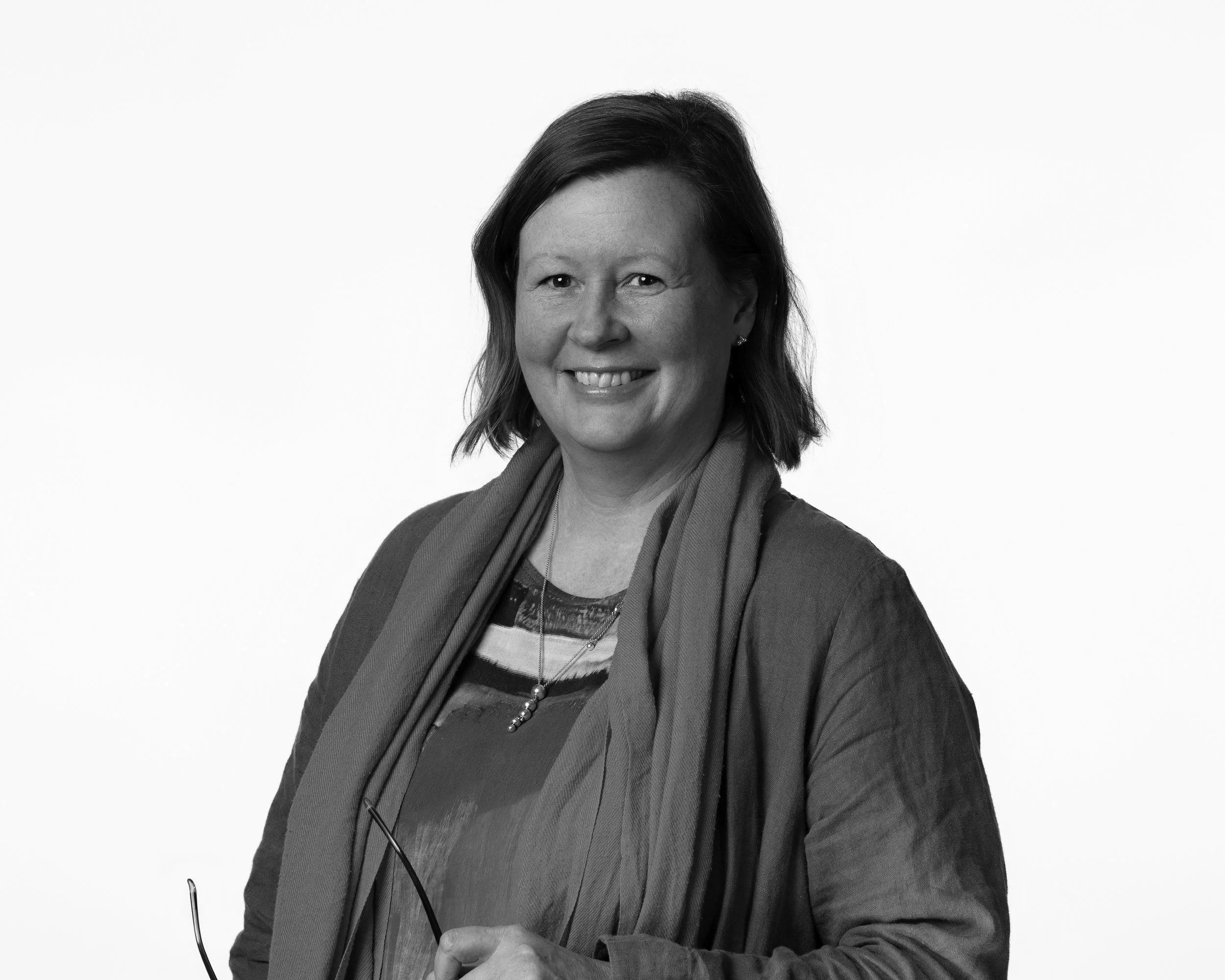
Hi, I'm Frederikke Jensen, She/Her, a narrative therapist and Master's qualified counsellor in Bendigo.
Throughline Counselling is a small private practice, not a run-of-the-mill practice. My work is grounded in a commitment to quality psychotherapy and to helping people develop greater inner resilience and an ability to weather the ups and downs of human life.
This is why I start with a brief phone call before we might decide to schedule a longer consult where we can begin understanding what has brought you to therapy.
You can read more about my approach to therapeutic work on my How I Work page, as it has a more in-depth description of my approach, fee and scheduling.
Throughline Journal
Finding throughlines of resilience, hope, and understanding in the midst of change


Whether you’d like a call back for a brief talk or have a specific question, feel free to get in touch.
There is no charge for a brief initial conversation.
No need to share sensitive information by form, if we decide to meet in person or via telehealth, I set aside the first three sessions to understand more about what you’re going through.
You can read more about me and how I work before you reach out.
Warmly
Frederikke
E: frederikke@throughlinecounselling.com
M: 0427 043 171